Source Diesel Aircraft Refuel Truck with Radial Tires for Airports
Compare 30 Diesel Aircraft Refuel Truck with Radial Tires options from verified Chinese suppliers. These units feature 251-450hp engines, 8.5m3 tanks, and manual or automatic transmissions for airport ground support operations.
Key considerations
Products List


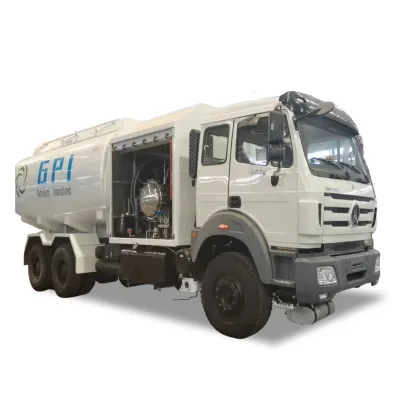
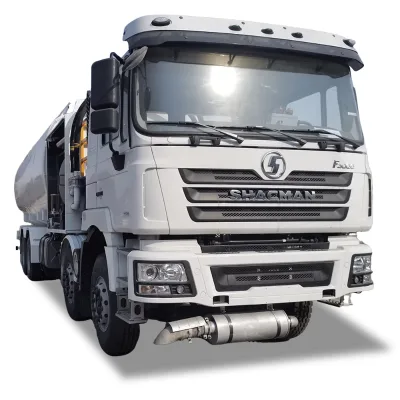
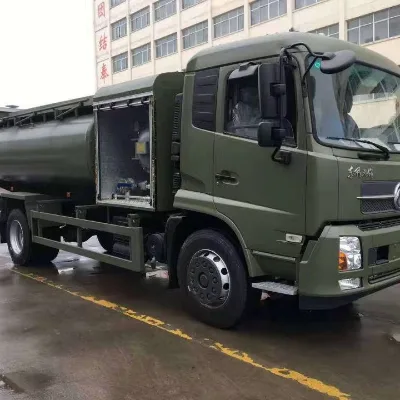
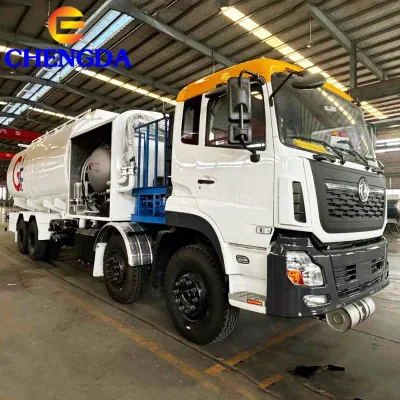
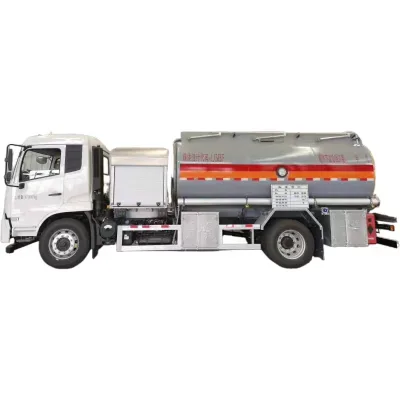
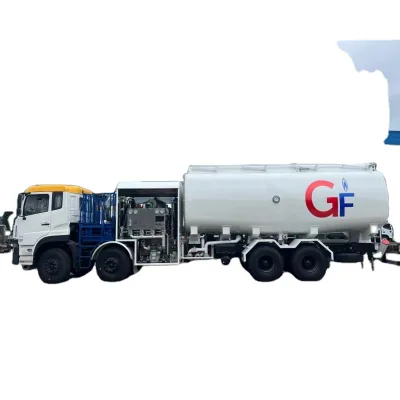
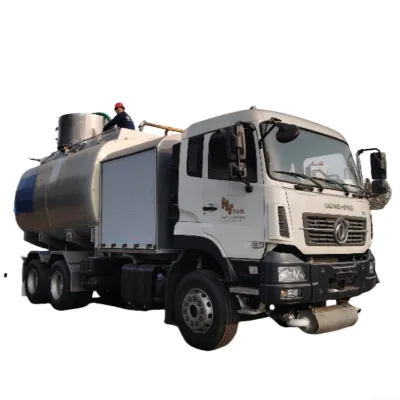
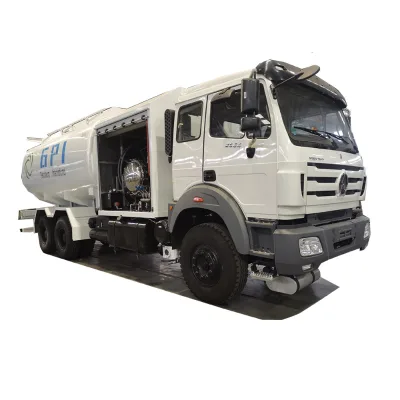
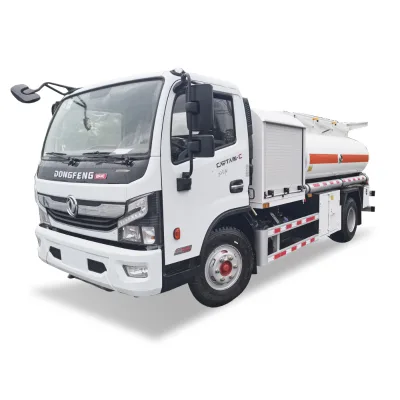


Heavy-Duty Airplane Fuel Truck for Efficient Aviation Refueling Aircraft Refueling Truck
$190000.00 - $279000.00
MOQ: 1 Pieces


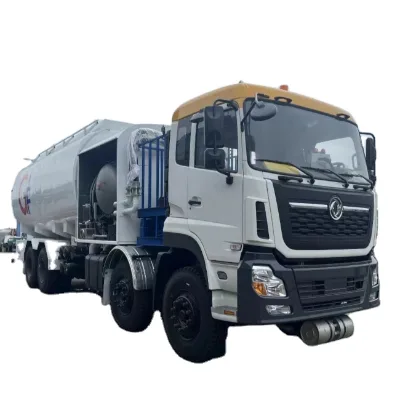

Dongfeng 5000-Liter Mobile Aircraft Refueling Truck, Special Aviation Fuel Tanker Truck
$8888.00 - $38888.00
MOQ: 1 Pieces


Comprehensive Sourcing Guide
Strategic Sourcing Guide for Diesel Aircraft Refuel Trucks with Radial Tires
Procuring specialized heavy-duty vehicles such as diesel aircraft refuel trucks requires a rigorous approach to technical verification, compliance assessment, and supplier evaluation. The market segment for these units is characterized by high capital expenditure, complex logistical requirements, and stringent safety standards. Buyers must navigate a landscape where specifications vary significantly between manufacturers, particularly regarding engine capacity, tank volume, and tire configurations. This guide provides a structured framework for evaluating potential suppliers and selecting units that meet operational demands while adhering to international safety and quality protocols.
Technical Specifications and Powertrain Configuration
The core of any aircraft refuel truck selection process lies in the detailed analysis of its powertrain and chassis specifications. Based on observed market data, diesel-powered units in this category typically feature engine capacities exceeding 8 liters, with displacement figures often reaching approximately 9726 ml. This high displacement is necessary to generate the torque required for heavy lifting and rapid refueling operations at airports. The horsepower range for these vehicles generally falls between 251 and 450 hp, with specific models offering outputs in the 251-350 hp or 351-450 hp brackets depending on the intended load class.
Transmission systems are a critical differentiator. While some units are equipped with manual transmissions featuring six forward shift numbers, others utilize automatic transmission types. The choice between manual and automatic often depends on the operational environment and driver preference, though modern fleets increasingly favor automatic systems for ease of operation in tight airport aprons. The drive wheel configuration is another vital specification; observed data indicates a prevalence of 6x4 drive wheel setups, which provide the necessary traction and stability for heavy loads. However, 4x4 configurations also exist in the market, offering enhanced mobility for off-airport or rough terrain scenarios.
The chassis must support a substantial gross vehicle weight, with observed ranges indicating capacities between 10 and 15 tons, and specific models reaching a total mass of 11,495 kg. The rated load quality for these trucks is typically around 6,305 kg, ensuring they can carry significant fuel volumes without compromising stability. The overall dimensions are equally important for airport maneuverability; units often measure approximately 10,500 mm in length, 2,500 mm in width, and 3,200 mm in height. The wheelbase, observed at 5,050+1,450 mm, contributes to the vehicle's turning radius and stability during high-speed transit between fuel farms and aircraft stands.
Tank Capacity and Fluid Handling Systems
The primary function of an aircraft refuel truck is the storage and dispensing of aviation fuel, making tank volume a paramount specification. The market presents a wide spectrum of capacities, ranging from smaller units with 400 to 500 liters to massive tankers designed for high-volume operations. Observed data highlights specific configurations with tank volumes between 5,001 and 10,000 liters, as well as heavy-duty units with capacities ranging from 15,001 to 30,000 liters. In cubic meters, a standard large-capacity unit might feature a volume of 8.5 m³.
The construction of the tank is equally critical. Buyers should verify that the storage is designed specifically for oil and aviation fuel, often utilizing materials that prevent contamination and ensure safety. The tank volume is not merely a static figure; it dictates the operational efficiency of the refueling process. A truck with a 400-liter capacity is suitable for small general aviation aircraft or as a support vehicle, whereas a 30,000-liter unit is essential for commercial jet operations. The preparation quality of the vehicle, observed at 4,995 kg, must be accounted for when calculating the net payload available for fuel.
Furthermore, the integration of the fuel system must be robust. The truck must accommodate the necessary pumps, filters, and meters to ensure precise dispensing. While specific pump models vary by manufacturer, the system must be compatible with the fuel type and flow rates required by the target aircraft. The physical layout of the tank, including baffles to prevent sloshing, is essential for maintaining vehicle stability during transit. Buyers should request detailed schematics of the tank interior to verify that it meets the specific safety and flow requirements of their airport operations.
Tire Specifications and Mobility Requirements
The mobility of an aircraft refuel truck is heavily dependent on its tire configuration. The core keyword for this guide emphasizes radial tires, a specification that is consistently observed in high-quality units. The market data confirms the availability of radial tire designs, which offer superior durability, heat dissipation, and load-bearing capacity compared to bias-ply alternatives. A specific observed configuration includes 12.00R20 radial tires, often arranged in a 10+1 or 11-piece setup, including a spare tire. This configuration is designed to handle the immense weight of a fully loaded fuel tanker while providing the necessary grip on wet or oily apron surfaces.
Tire certification is a non-negotiable aspect of procurement. Buyers must verify that the tires and the vehicle as a whole meet specific regional and international standards. Observed data indicates compliance with ECE (Economic Commission for Europe), GCC (Gulf Cooperation Council), ISO, and DOT (Department of Transportation) certifications. These certifications ensure that the tires can withstand the specific pressures and loads associated with heavy-duty refueling operations. The tire design must also account for the unique demands of airport environments, which may include exposure to jet fuel, hydraulic fluids, and extreme temperature variations.
The maximum speed of these vehicles is typically capped at 90 km/h, reflecting their role as specialized work vehicles rather than highway transporters. However, the ability to maintain steady speeds on airport taxiways is crucial for operational efficiency. The approach and departure angles, observed at 26 and 20 degrees respectively, are critical for navigating the ramps and obstacles found at airfields. These angles ensure that the truck can clear curbs and other infrastructure without damaging the undercarriage or the fuel tank.
Compliance, Certification, and Safety Standards
Navigating the regulatory landscape is a complex but essential part of sourcing aircraft refuel trucks. The industry is governed by a myriad of standards that ensure the safety of the vehicle, the fuel, and the personnel operating it. Buyers must verify that the supplier provides documentation confirming compliance with CE and ISO 9001:2000 standards. While ISO 9001:2015 is a common background standard in the industry, the specific observed data points to the 2000 version as a verified attribute for certain models.
Emission standards are another critical compliance factor. The market data indicates the presence of Euro 3 emission-compliant engines, which is a baseline requirement in many regions. However, buyers must be aware that regulations are tightening globally, and some jurisdictions may require Euro 4 or Euro 5 compliance. It is imperative to verify the emission status of the specific unit being purchased against the local regulations of the operating airport. Failure to meet these standards can result in significant fines or the inability to operate the vehicle within the airport perimeter.
Safety certifications extend beyond the vehicle itself to include the tire and tank construction. The tires must carry valid ECE, GCC, ISO, and DOT certifications, as noted in the observed data. Additionally, the vehicle's overall construction must adhere to safety protocols regarding fire suppression, grounding, and emergency shut-off systems. Buyers should request a comprehensive compliance dossier that includes test reports, certification letters, and conformity declarations from recognized bodies. This documentation serves as proof that the vehicle has been manufactured and tested to meet the rigorous safety standards required for aviation fuel handling.
Cost Drivers and Procurement Economics
The total cost of ownership for an aircraft refuel truck is influenced by several factors beyond the initial purchase price. The observed price range for these units is substantial, spanning from $8,888 to $399,000. This wide variance reflects differences in tank capacity, engine power, transmission type, and the level of customization. Smaller units with lower horsepower and tank capacities will naturally fall at the lower end of this spectrum, while large, high-performance models with advanced automation and compliance features will command premium prices.
The Minimum Order Quantity (MOQ) for these specialized vehicles is typically low, with observed data showing an MOQ of 1. This flexibility allows airports and fueling companies to purchase single units to replace aging fleets or to expand capacity incrementally. However, the unit price is heavily dependent on the specific configuration. Customization is a significant cost driver, with many suppliers offering tailored solutions for specific airport requirements. Buyers should budget for potential customization costs related to tank volume, pump systems, and branding.
Shipping and logistics also play a major role in the final cost. The observed packing methods include nude packing, Roro ship, bulk ship, and container shipping. The choice of shipping method depends on the size of the vehicle and the destination. For large units, Roro or bulk shipping may be the most cost-effective option, while container shipping might be necessary for smaller, high-value units. Buyers must factor in these logistics costs when comparing supplier quotes. Additionally, the lead time for manufacturing and delivery can vary, and buyers should clarify these timelines during the negotiation phase to ensure alignment with their operational schedules.
Supplier Evaluation and Quality Assurance
Selecting the right supplier is as critical as selecting the right vehicle. The origin of these trucks is predominantly China, with specific mentions of Henan as a place of origin. While this geographic concentration offers a competitive market, it necessitates thorough due diligence. Buyers should evaluate suppliers based on their after-sales service capabilities, which are observed to include video technical support and online support. These services are vital for maintaining the vehicle's operational readiness and addressing any technical issues that may arise.
Quality control is another key evaluation criterion. Buyers should request information on the supplier's quality assurance processes, including factory audits and inspection protocols. The observed standards, such as CE and ISO 9001:2000, provide a baseline, but buyers should verify the supplier's track record in delivering compliant units. The brand name, such as SHACMAN, may indicate a specific manufacturer or a rebadged unit, and buyers should investigate the reputation of the brand in the aviation fueling sector.
The packing and delivery process also reflect the supplier's professionalism. The observed packing options, ranging from standard export packing to customer-specific requirements, indicate a level of flexibility. However, buyers should ensure that the packing method protects the vehicle during transit, especially for units with sensitive fuel systems and delicate components. The supplier's ability to provide detailed shipping documentation and coordinate with freight forwarders is essential for a smooth procurement process.
Long-Term Procurement and Operational Considerations
The decision to purchase an aircraft refuel truck is a long-term investment that extends well beyond the initial transaction. Buyers must consider the lifecycle costs, including maintenance, spare parts availability, and the potential for future upgrades. The availability of spare parts is crucial for minimizing downtime, and buyers should verify that the supplier has a robust supply chain for critical components. The transmission type, whether manual or automatic, will also influence maintenance requirements and the availability of skilled technicians.
Customization is a key feature observed in the market, allowing buyers to tailor the vehicle to their specific operational needs. This flexibility is valuable for adapting to changing airport requirements or expanding the fleet's capabilities. However, buyers should ensure that any customizations are documented and supported by the supplier to avoid issues with warranty or compliance. The storage capacity for oil and the tank volume must be aligned with the airport's long-term fueling strategy, ensuring that the vehicle remains relevant as demand grows.
Finally, the operational environment must be considered. The vehicle's dimensions, weight, and tire configuration must be compatible with the airport's infrastructure. The approach and departure angles, wheelbase, and overall dimensions must allow for safe and efficient maneuvering on the apron. Buyers should conduct a site assessment to ensure that the selected vehicle can operate effectively within the specific constraints of their facility. By addressing these long-term considerations, buyers can ensure that their investment in an aircraft refuel truck delivers value and reliability for years to come.
FAQs
What engine capacity do these trucks typically have?
These trucks typically feature engine capacities greater than 8 liters. Specific models observed have a displacement of 9726 ml to support heavy lifting and rapid refueling operations at airports.
Which tire certifications are available for these vehicles?
Available tire certifications include ECE, GCC, ISO, and DOT. These standards ensure the radial tires meet safety and load-bearing requirements for airport environments and heavy-duty fuel transport.
Can buyers customize the tank volume for these trucks?
Yes, customization is available for tank volume requirements. Observed configurations range from 400 to 500 liters up to capacities between 15,001 and 30,000 liters depending on specific operational needs.
What is the minimum order quantity for these units?
The minimum order quantity is one unit per transaction. This allows buyers to purchase single items to replace aging fleets or expand capacity without needing bulk commitments.
How is the drive wheel configuration configured for these trucks?
The drive wheel configuration is primarily 6x4 for heavy loads. Some models also offer 4x4 setups to provide enhanced mobility for off-airport or rough terrain scenarios during refueling operations.
What emission standards do these diesel trucks meet?
These diesel trucks meet Euro 3 emission standards. Buyers should verify specific unit compliance against local regulations as some jurisdictions may require higher standards like Euro 4 or Euro 5.